What's Eating Your Asphalt (and Your Wallet)?
Let's talk about asphalt repair costs here in Philly. Nobody wants to deal with a cracked driveway or a pothole-ridden parking lot, but when you do, you need to know what you're getting into financially. I've been doing this for a long time, and I've seen folks get fleeced and others get a great deal. The truth is, it's not a mystery; there are clear factors that drive the price.
First off, forget those national averages you see online. Philadelphia's a different beast. We've got our own climate, our own labor costs, and sometimes, our own unique soil conditions, especially in older neighborhoods where the ground might have settled differently over the decades. That means prices here can be a bit higher than, say, rural Pennsylvania.
What Makes Asphalt Repair Cost More (or Less)?
When I'm looking at a job, a few things immediately jump out that'll affect the final price:
- The Type of Damage: Is it just a few small cracks? Or are we talking about widespread alligator cracking, deep potholes, or a section that's completely failed? A simple crack fill is way cheaper than a full cut-and-replace section.
- Size and Depth: This one's obvious. A bigger area needing repair means more material and more labor. If it's a deep pothole that needs a solid base repair, that's more work than a shallow surface patch.
- Accessibility: Can we get our equipment in there easily? If we're trying to fix a narrow alleyway in South Philly where we can barely squeeze a truck, that's going to take more time and effort than an open commercial lot.
- Material Quality: Not all asphalt is created equal. We use high-quality, durable materials that are designed to last through our harsh Philly winters and hot, humid summers. Cheaper materials might save you a buck now, but you'll be repairing it again sooner.
- Prep Work Needed: Sometimes, a repair needs more than just filling a hole. We might need to clean out debris, re-compact the sub-base, or even address drainage issues. All that adds to the labor.
So, What Are We Talking About in Dollars?
Alright, let's get down to brass tacks. These are general ranges for typical repairs I see around town. Remember, these are estimates, but they'll give you a solid idea:
- Crack Filling: For minor cracks, you're usually looking at around $0.75 to $2.50 per linear foot. This is for those hairline cracks that, if left alone, turn into bigger problems.
- Pothole Repair (Small to Medium): For individual potholes, say up to 10-15 square feet, using a hot asphalt patch, you might pay anywhere from $150 to $400 per pothole. This includes cleaning, tack coat, and compaction.
- Asphalt Patching (Cut and Replace): This is for larger, more severe areas where the asphalt has failed completely. We cut out the bad section, prepare the base, and lay new asphalt. For areas like 50-100 square feet, expect to pay roughly $6 to $12 per square foot. So, a 100 sq ft patch could be $600 to $1200. The price per square foot often goes down a bit for larger areas, but not always significantly.
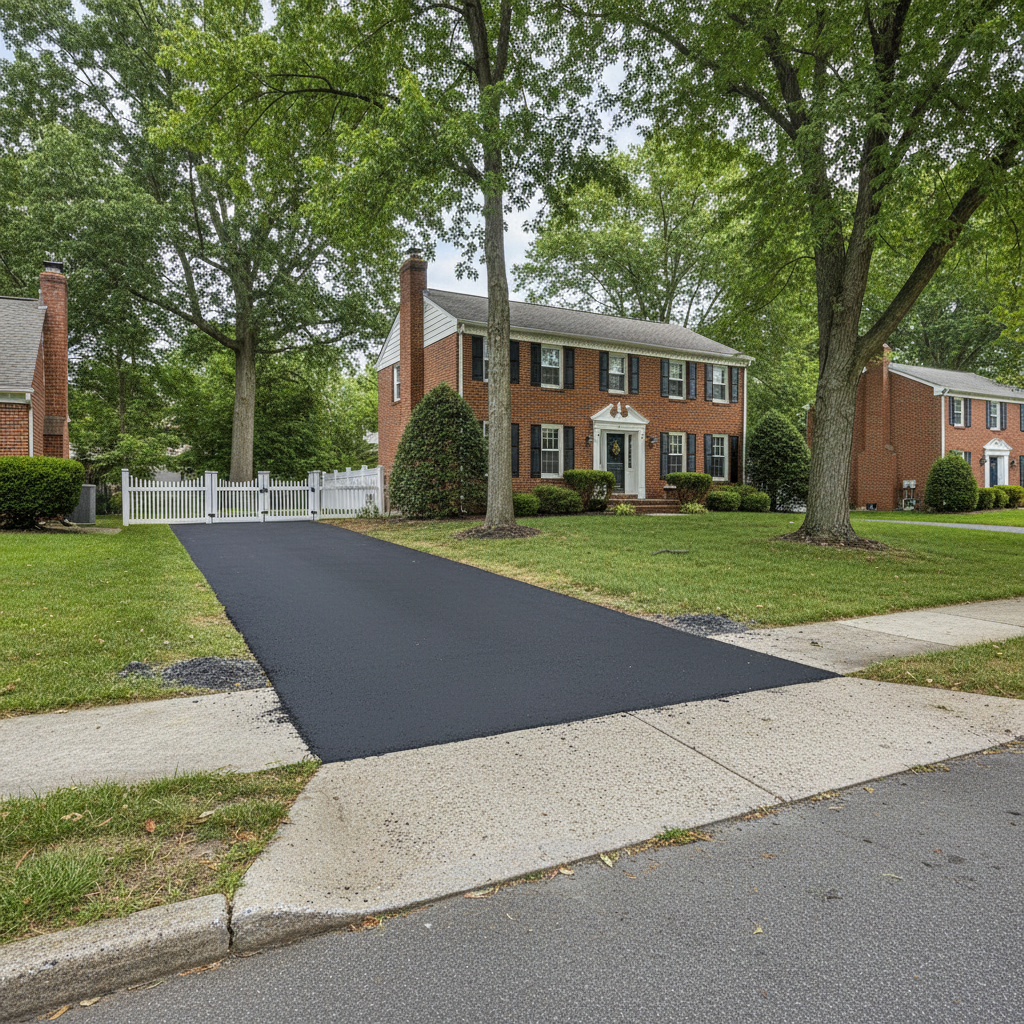
- Resurfacing (Overlay): If your entire driveway or a large section of your lot is showing widespread cracking but the base is still good, an overlay might be an option. This is a new layer of asphalt over the existing one. For a typical residential driveway, this could run anywhere from $2.50 to $5.00 per square foot, depending on thickness and prep.
Keep in mind, these numbers don't usually include things like extensive drainage work or major sub-base reconstruction. Those are bigger projects.
What Should a Good Quote Include?
When you get a quote from Western Asphalt Company, or any reputable contractor, it should be clear. Here's what I always make sure to put in writing:
- Detailed Scope of Work: Exactly what areas are being repaired, what type of repair, and how it's being done.
- Materials Used: We specify the type of asphalt mix and any other materials like tack coat or crack filler.
- Prep Work: What steps are included before the new asphalt goes down (cleaning, cutting, base compaction, etc.).
- Cleanup: Confirmation that we'll haul away debris and leave the site tidy.
- Warranty: A clear statement of any warranty on the work.
- Total Cost: The final, all-inclusive price. No surprises.
Don't Get Ripped Off: How to Avoid Overpaying
It's easy to get taken advantage of if you're not careful. Here's my advice:
- Get Multiple Quotes: Always get at least three quotes. It helps you compare not just price, but also the proposed scope of work.
- Check References and Reviews: See what other people in Philly are saying about the contractor. A company that's been around for a while and has good local reviews is usually a safe bet.
- Ask Questions: If something in the quote isn't clear, ask. A good contractor will be happy to explain it.
- Beware of Door-to-Door Offers: If someone knocks on your door saying they just finished a job down the street and have