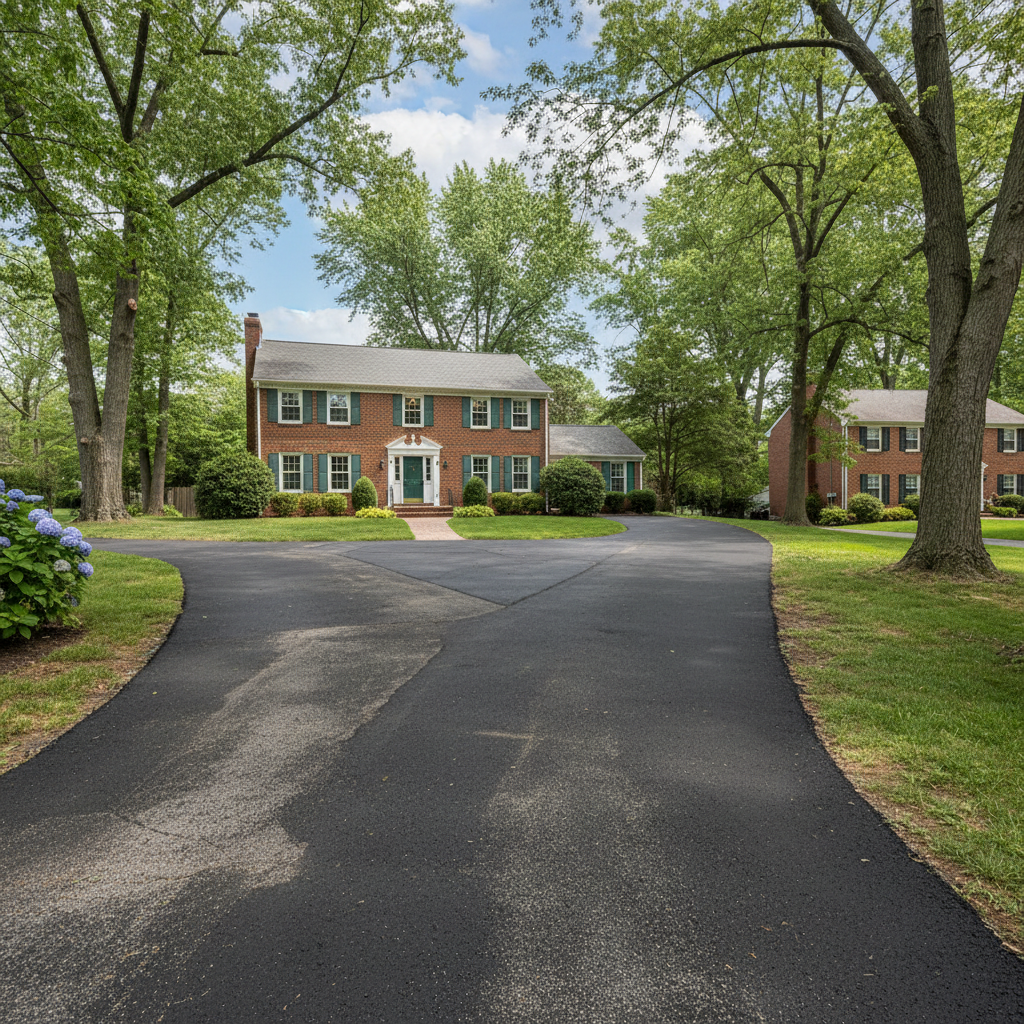
So, you've got some cracks, maybe a pothole or two, and you're thinking it's time to get that asphalt fixed. Good call, really. Ignoring those issues only makes 'em worse, and trust me, Philly's freeze-thaw cycles are brutal on pavement. But before you call up the first name you see, let's talk about getting this project planned out properly. It's not just about getting the work done; it's about getting it done right, with no surprises.
Setting Your Project Timeline
When should you start planning? Yesterday, ideally. Seriously though, don't wait until the last minute. Good contractors, especially here in a busy city like Philadelphia, often have a backlog. Here's a rough timeline I usually tell folks:
- Initial Inquiry & Quotes (2-4 weeks out): Start reaching out to a few reputable asphalt contractors. Get those estimates in hand. This isn't just about price; it's about understanding their approach, their availability, and if they're a good fit for you.
- Decision & Scheduling (1-2 weeks out): Once you've picked your contractor (hopefully Western Asphalt Company!), you'll want to get on their schedule. Depending on the season and their current workload, this could be a few days or a few weeks out. Spring and fall are prime times, so expect a bit more lead time then.
- Project Execution (1-3 days): Most residential asphalt repair projects don't take forever. A typical driveway repair might be a day or two, depending on the scope. Larger projects, like a small parking lot, could stretch to three.
- Curing Time (1-7 days post-completion): This is crucial. Your new asphalt isn't ready for heavy traffic right away. We'll give you specific instructions, but generally, plan on staying off it for at least 24-48 hours, and be gentle with turns for the first week.
What to Expect During the Process
Alright, you've got a date. What's going to happen? It's not rocket science, but knowing the steps helps you feel more comfortable.
- Prep Work: Before any new asphalt goes down, we've got to deal with the old stuff. This might mean cutting out damaged sections, cleaning debris, or even addressing the base layer if it's failed. We'll make sure the area is clear and ready.
- Noise & Equipment: You're going to hear some noise. We'll have heavy equipment – saws, jackhammers, maybe a small paver or roller. It's part of the job. We do our best to keep disruptions to a minimum, but it's not a library.
- Smell: Fresh asphalt has a distinct smell. It's not usually overpowering or harmful, but it's definitely noticeable for a day or two. If you're sensitive to smells, just be aware.
- Limited Access: For the duration of the work and the initial curing period, you won't be able to drive or park on the repaired area. We'll communicate this clearly so you can plan for alternative parking or access.
- Clean Up: Once the work is done, we'll clean up the site. You shouldn't be left with a mess of debris or tools.
How to Prepare Your Property
You can help make the project go smoothly. A little prep on your end goes a long way:
- Clear the Area: Move any vehicles, trash cans, planters, toys, or anything else that's on or near the repair site. We need clear access.
- Notify Neighbors: If the work might affect your neighbors' access or create temporary noise, give them a heads-up. A little courtesy goes a long way, especially on those tight Philly streets.
- Secure Pets: Keep pets indoors or securely leashed and away from the work zone. Hot asphalt and heavy machinery aren't safe for curious critters.
- Mark Sprinklers/Utilities: If you have any underground sprinkler heads, invisible dog fences, or other buried lines near the work area, mark them clearly. We're careful, but it's always better to be safe than sorry.
- Plan for Access: Figure out where you'll park your car and how you'll get in and out of your house during the work and curing period.
Questions to Ask Before Signing a Contract
This is where you protect yourself. Don't be afraid to ask questions. Any good contractor expects it.
- Can I see your license and insurance? Absolutely essential. Make sure they're properly licensed in PA and carry liability and worker's comp insurance. You don't want to be on the hook if something goes wrong.
- What's included in the price? Get a detailed breakdown. Does it include excavation, base repair, asphalt, cleanup? Are there any potential hidden costs?
- What kind of warranty do you offer? A reputable contractor will stand behind their work. Ask about the length and what it covers.
- How do you handle unforeseen issues? Sometimes you uncover problems once you start digging. How will they communicate those, and what's the process for approving additional work and costs?
- What's the payment schedule? Typically, it's a deposit upfront and the remainder upon completion. Be wary of contractors asking for a huge percentage upfront.
- Can you provide references? Talk to previous clients. See their work if possible.
- What's the estimated start and completion date? Get a clear idea of the timeline, even if it's subject to weather.
- How will you protect my property? Ask about measures they take to avoid damaging landscaping, curbing, or other parts of your property.
Getting your asphalt repaired is an investment in your home. By taking the time to plan, prepare, and ask the right questions, you'll ensure a smoother process and a result you're happy with for years to come.